Why it Works
The neuroscience, research, and structure behind Sound in the Woods
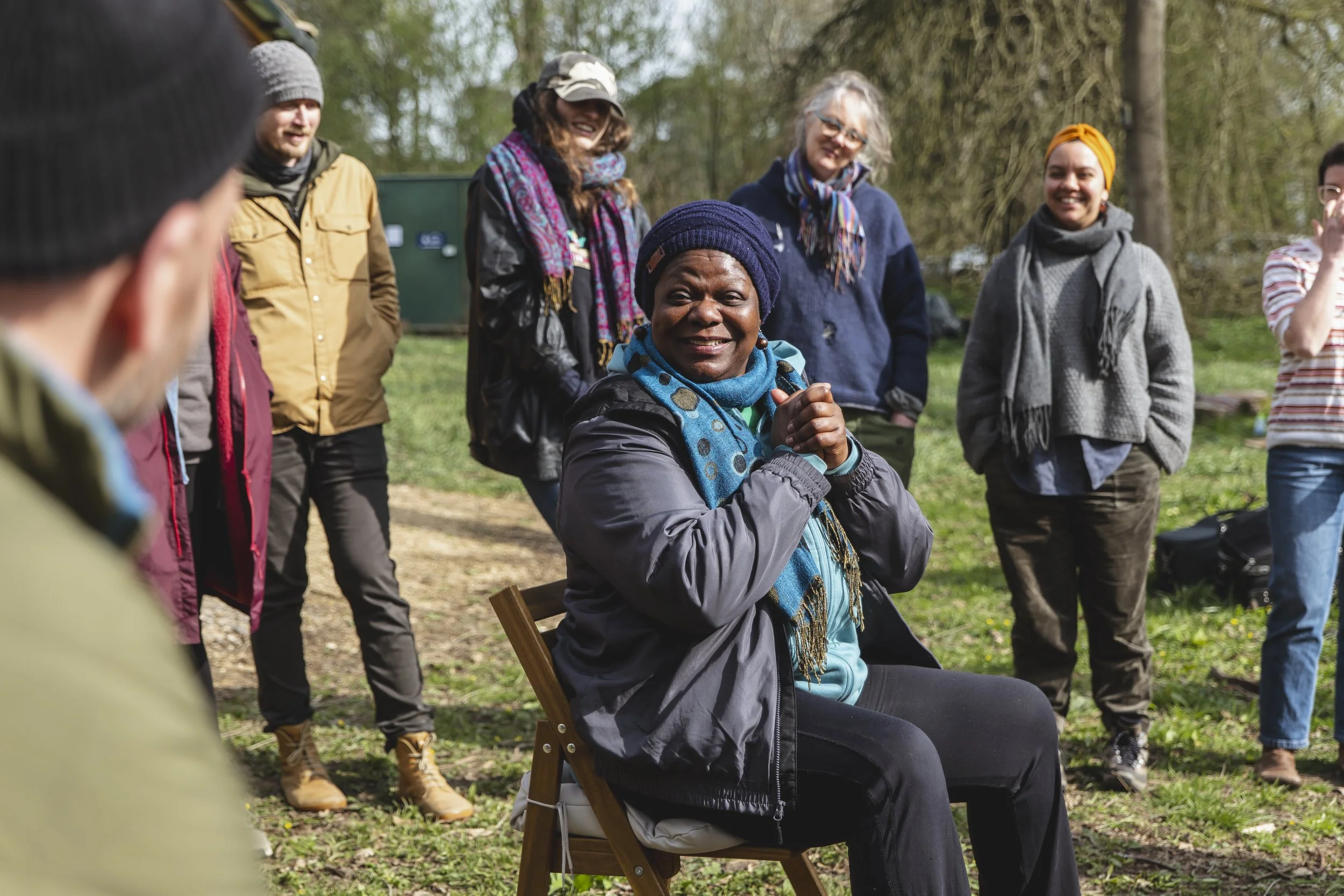
Sound in the Woods is carefully designed to support safety, connection, and wellbeing. We combine creativity, group work, reflective practice and nature connection to create conditions for people to feel safe, engaged, and ready to explore together.
Science & theory
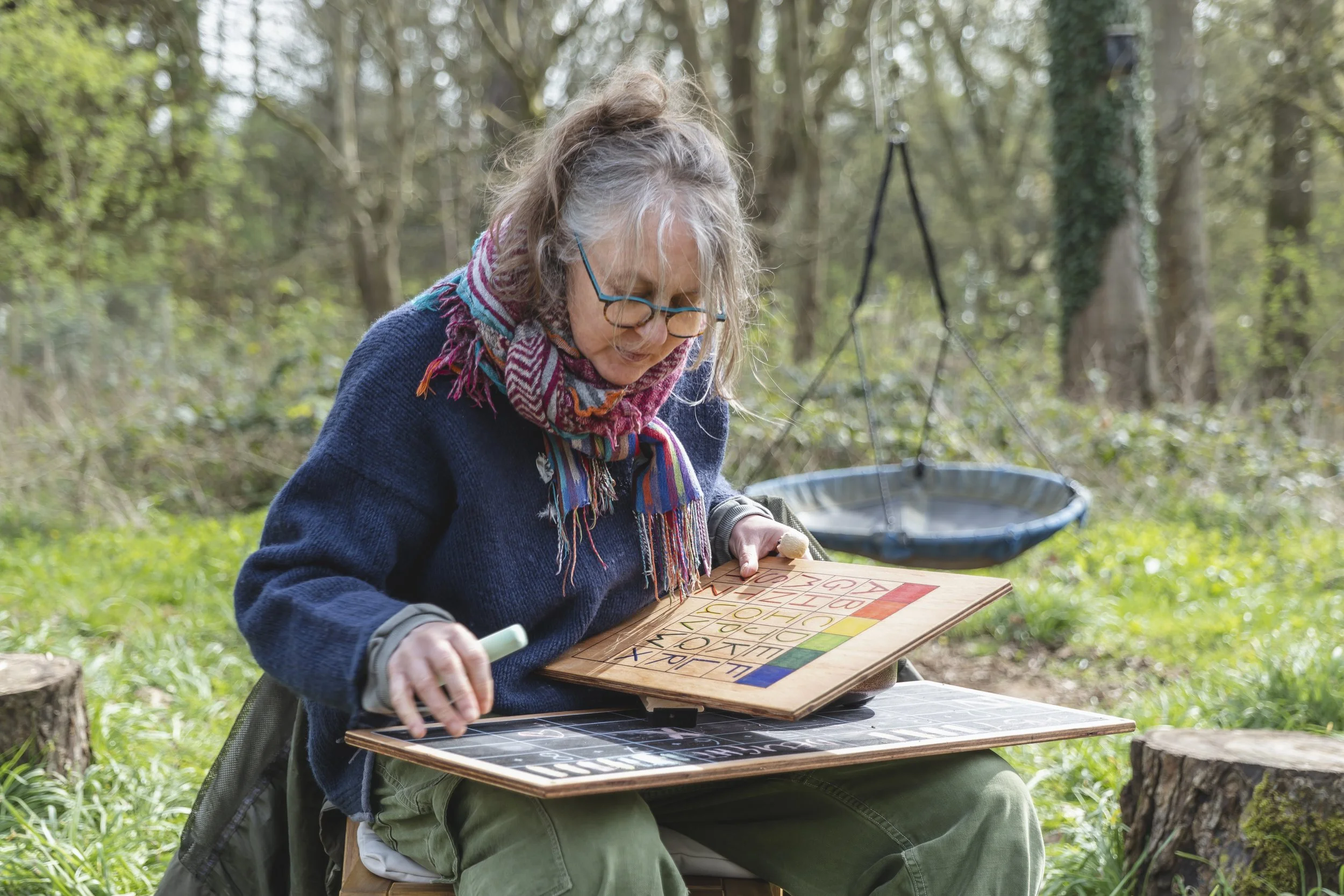
Behind the fun and music, Sound in the Woods draws on research from psychology and neuroscience. Self-Determination Theory explains that we thrive when we feel autonomy (choice), competence (ability to succeed), and relatedness (connected to others). Polyvagal Theory describes how our nervous system responds to safety and correlation, helping us, under the right circumstances, feel curious, social, and engaged. Together, these ideas inform how we go about creating an environment where people feel safe to be creative, and explore and play with others; all key components of happy, healthy humans.
Autonomy
Competence
Relatedness
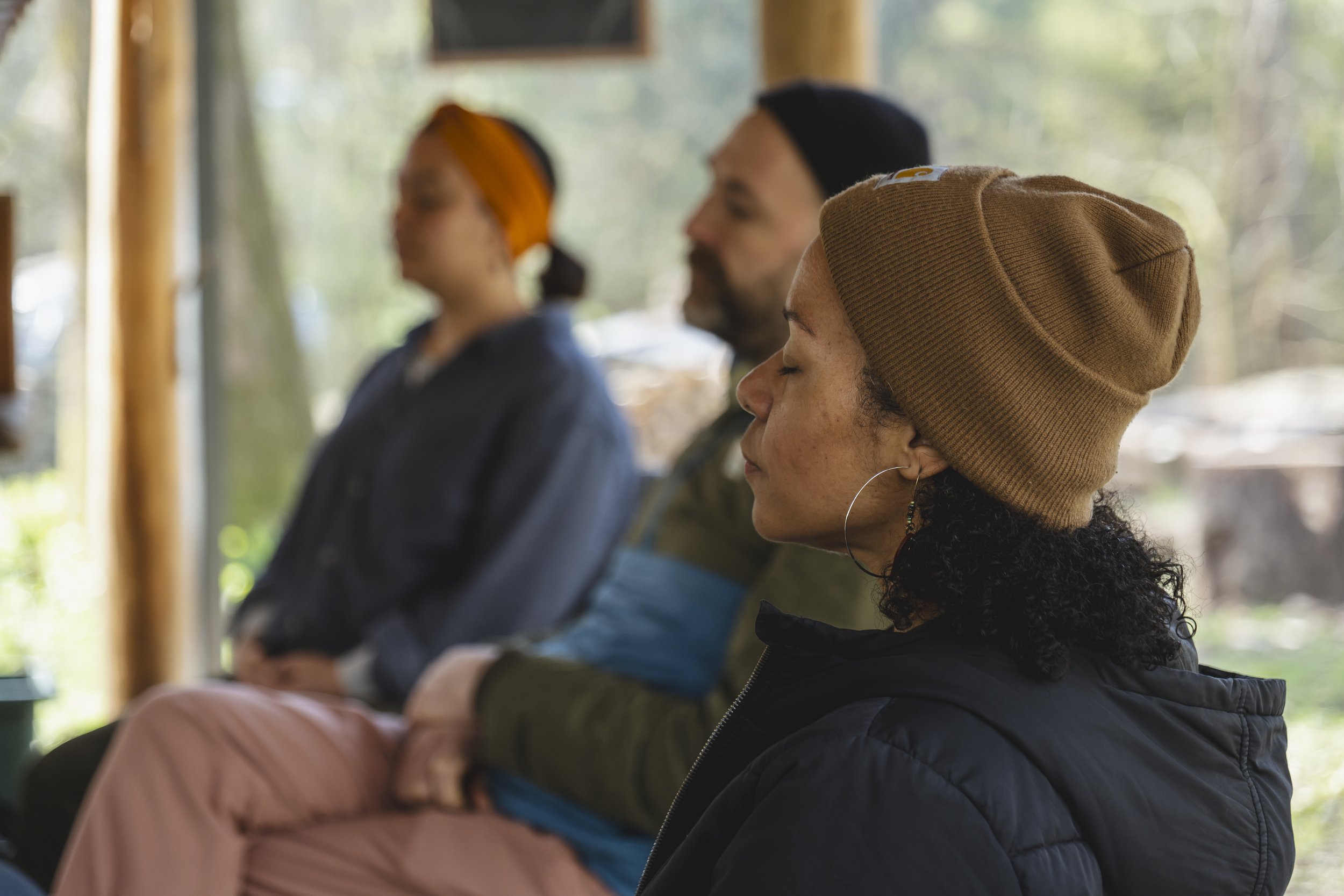
Safety
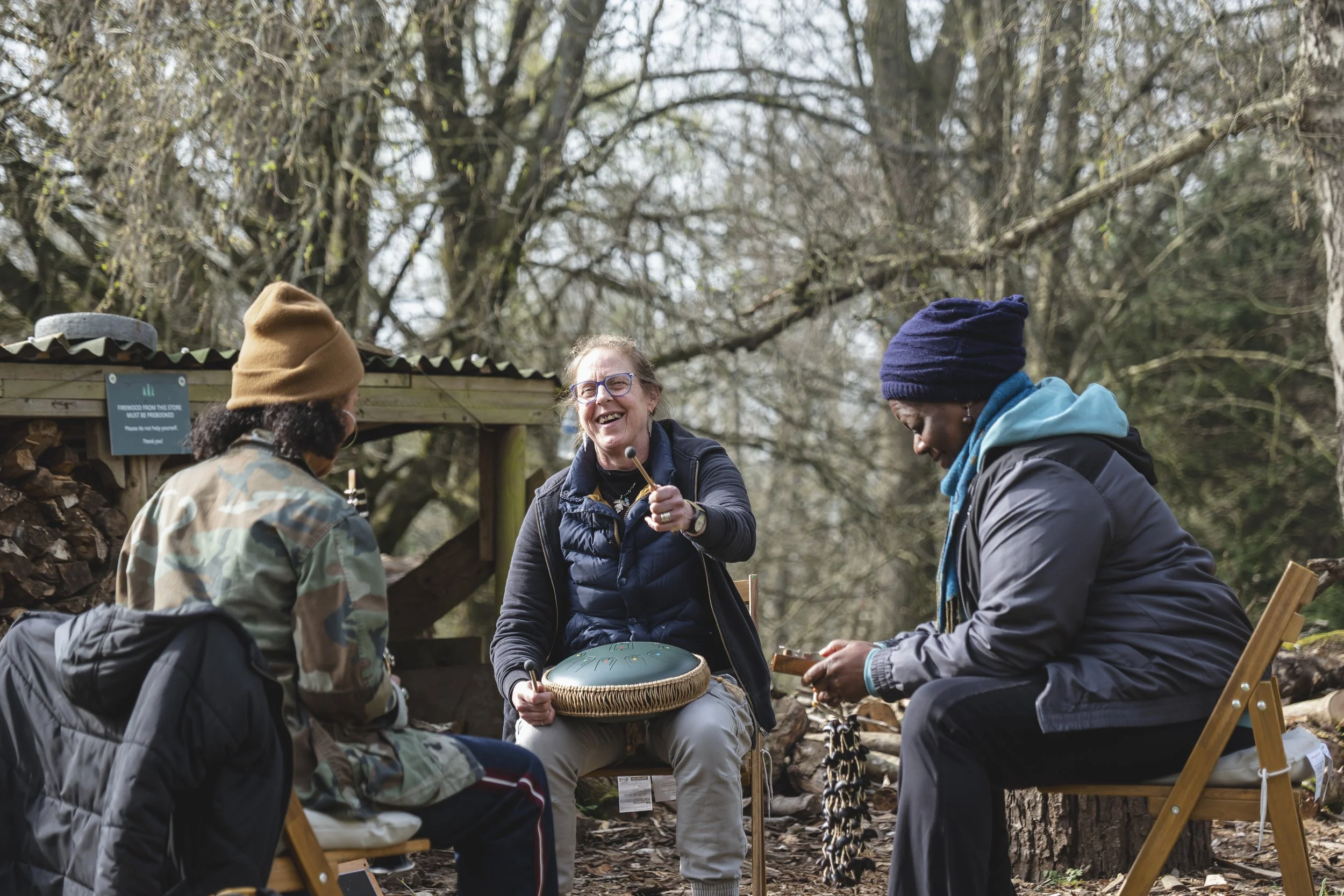
Coregulation
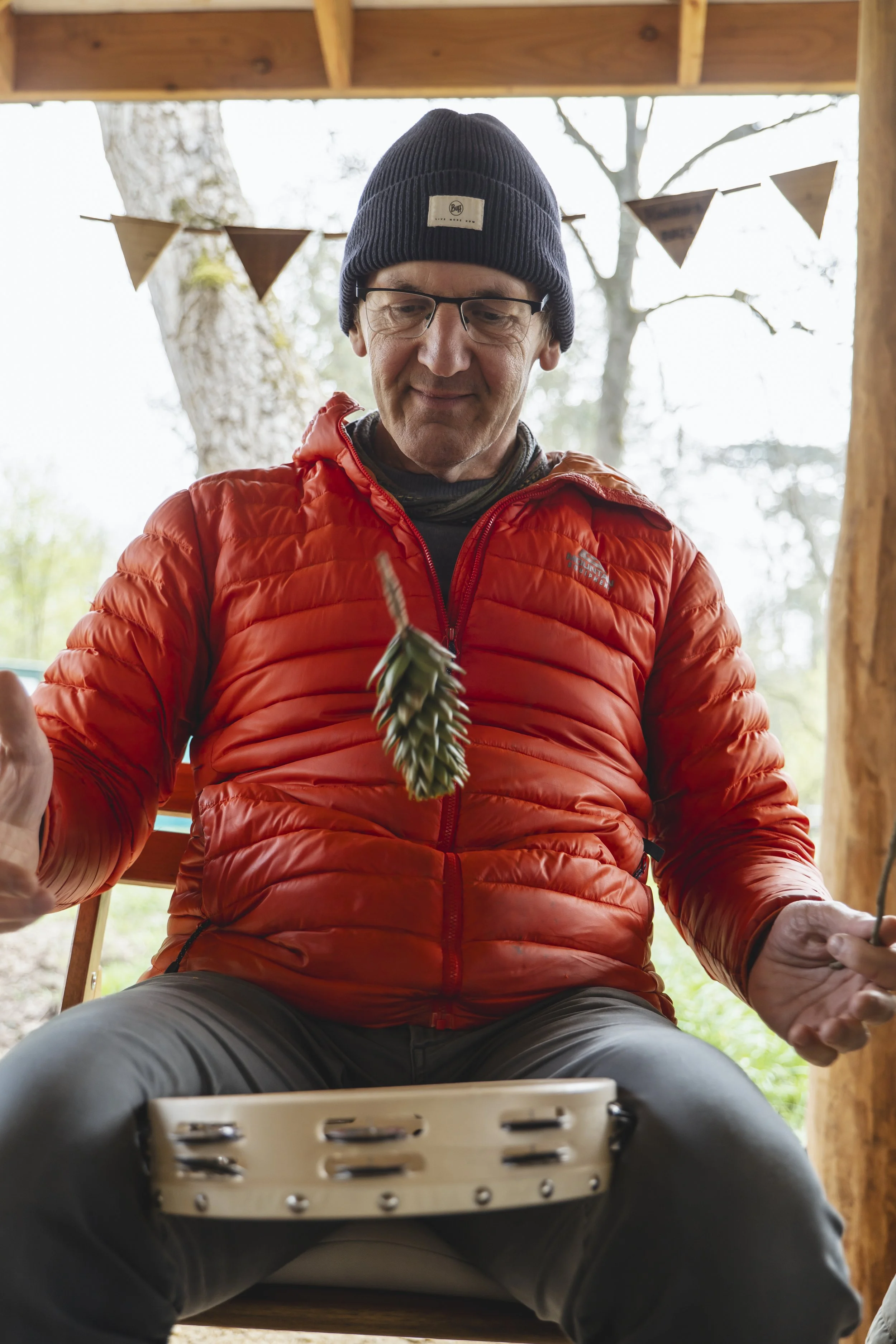
Play
Safety & inclusion
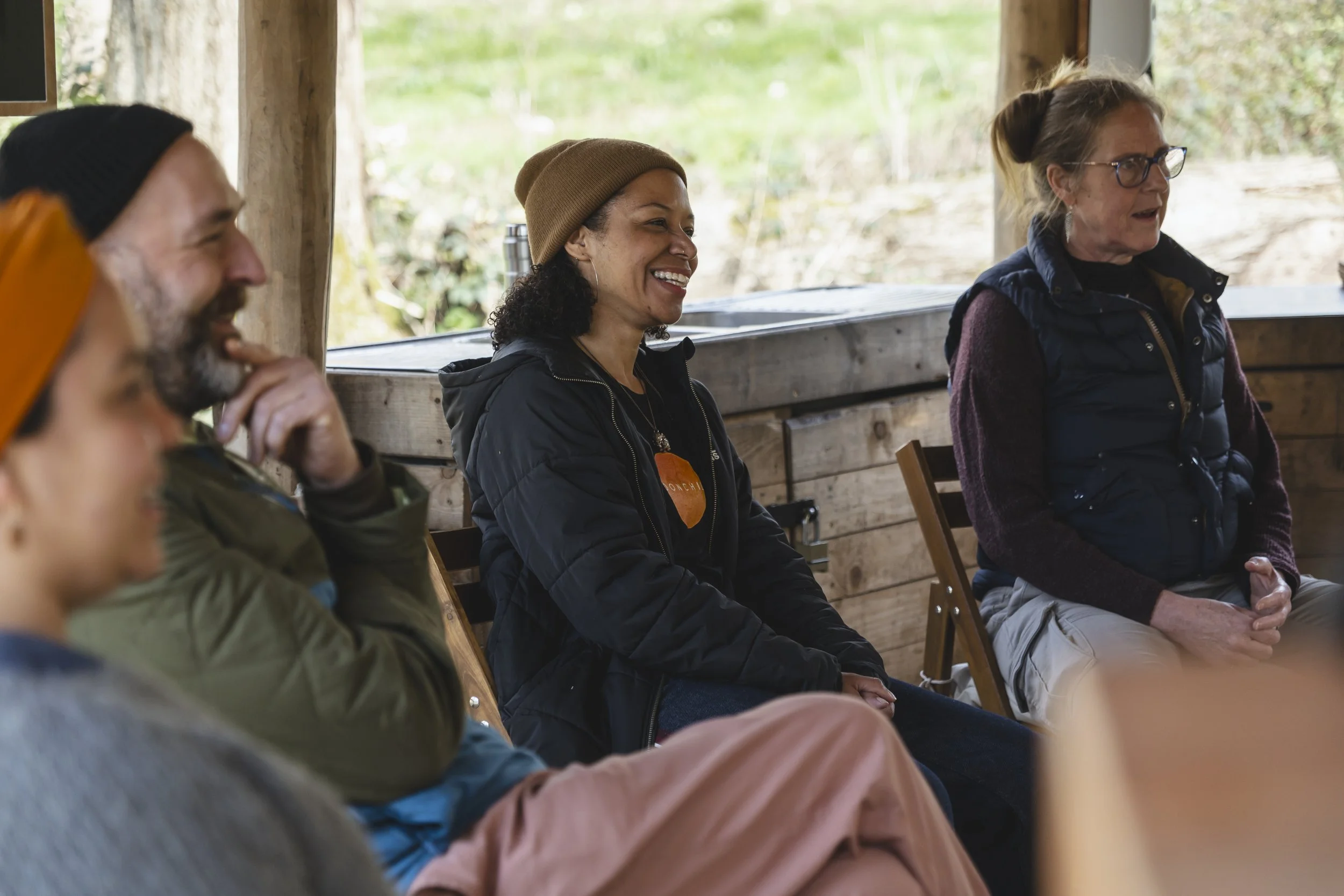
Creativity works best when people feel safe and included. Sound in the Woods is designed to create physical, emotional, and social safety from the moment participants arrive. Clear guidance, invitational participation, and flexible, inclusive practices reduce pressure and uncertainty, helping everyone stay present and engaged in a way that works best for them. Feeling safe and included allows curiosity, collaboration, and creativity to emerge naturally.
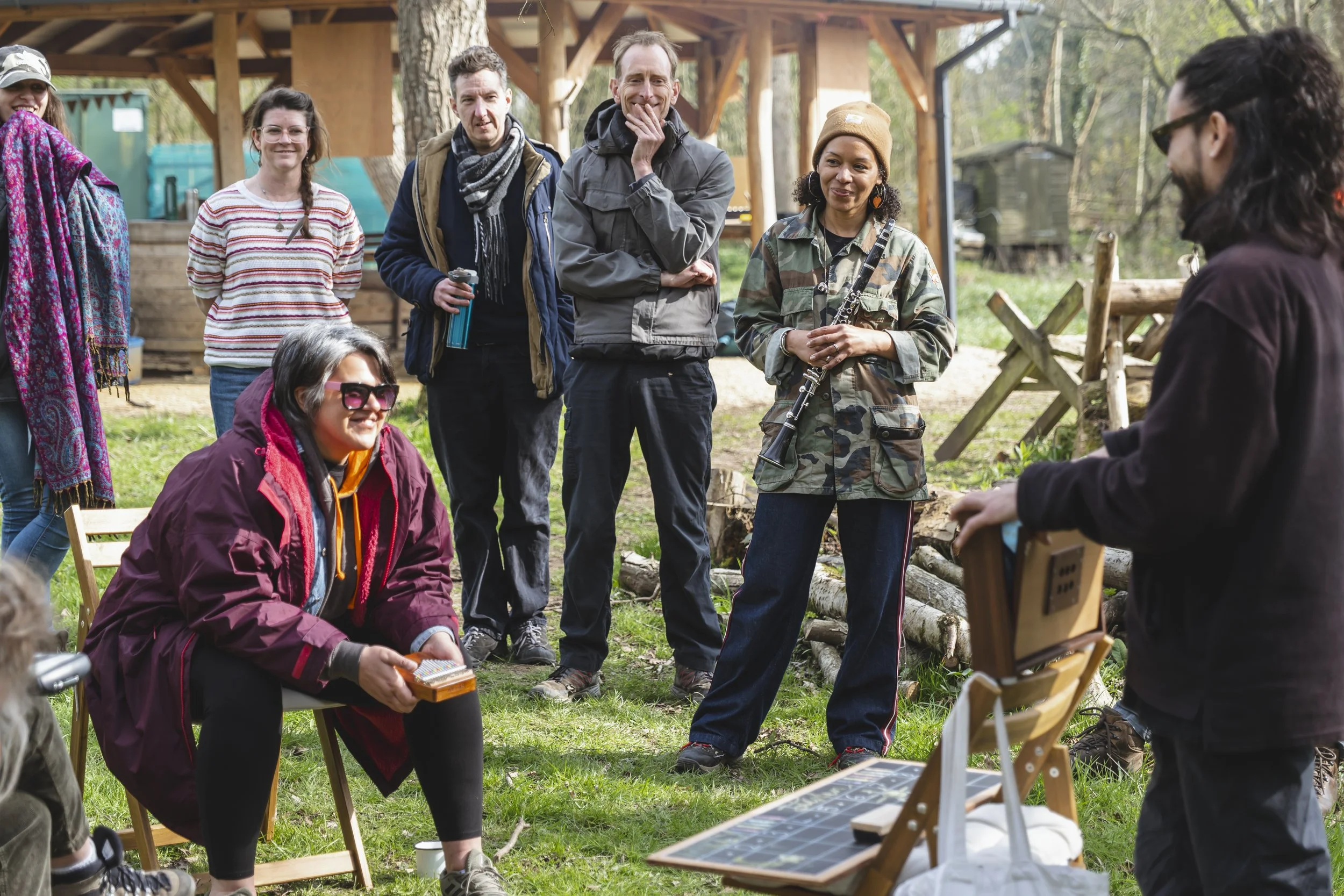
Creativity & play
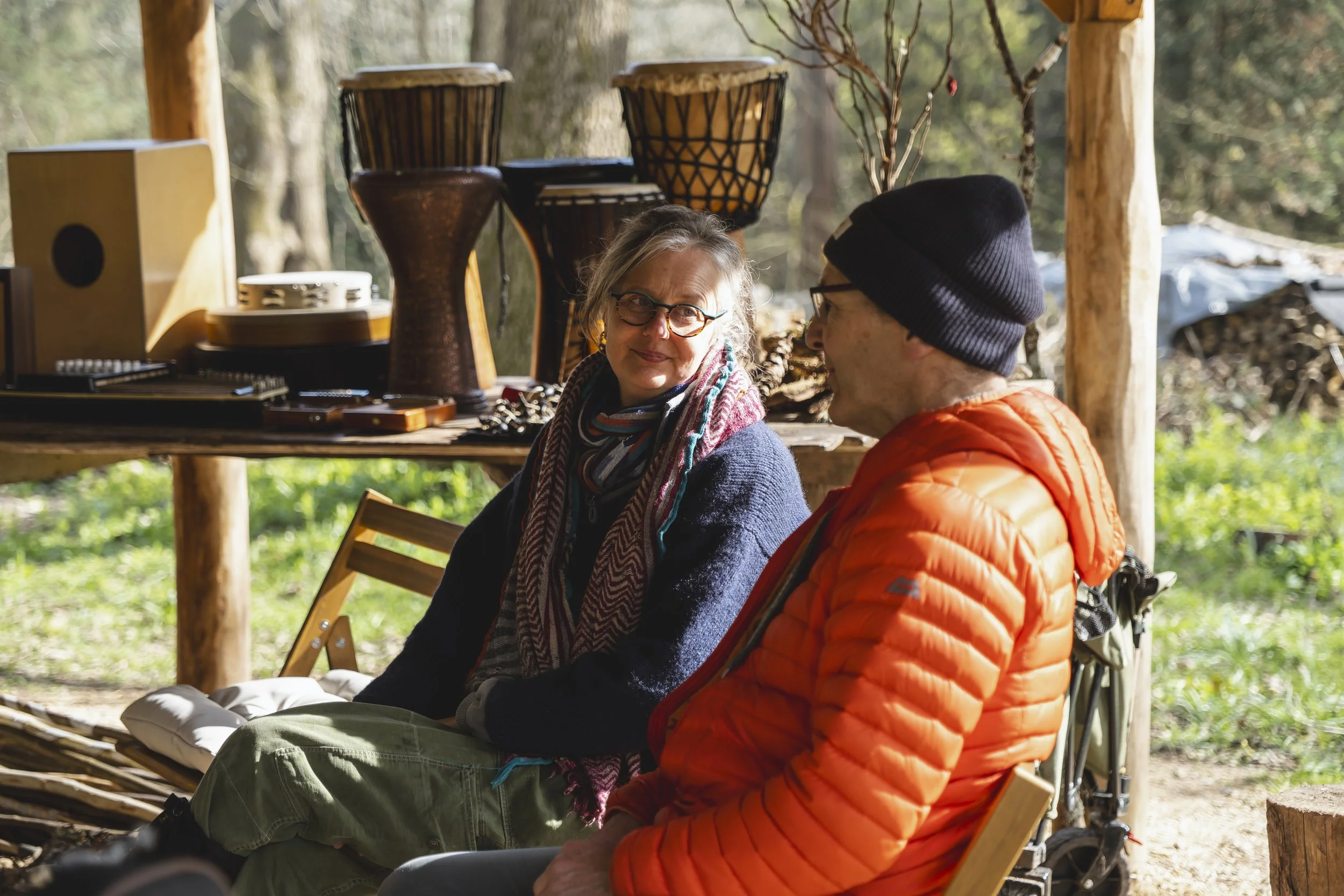
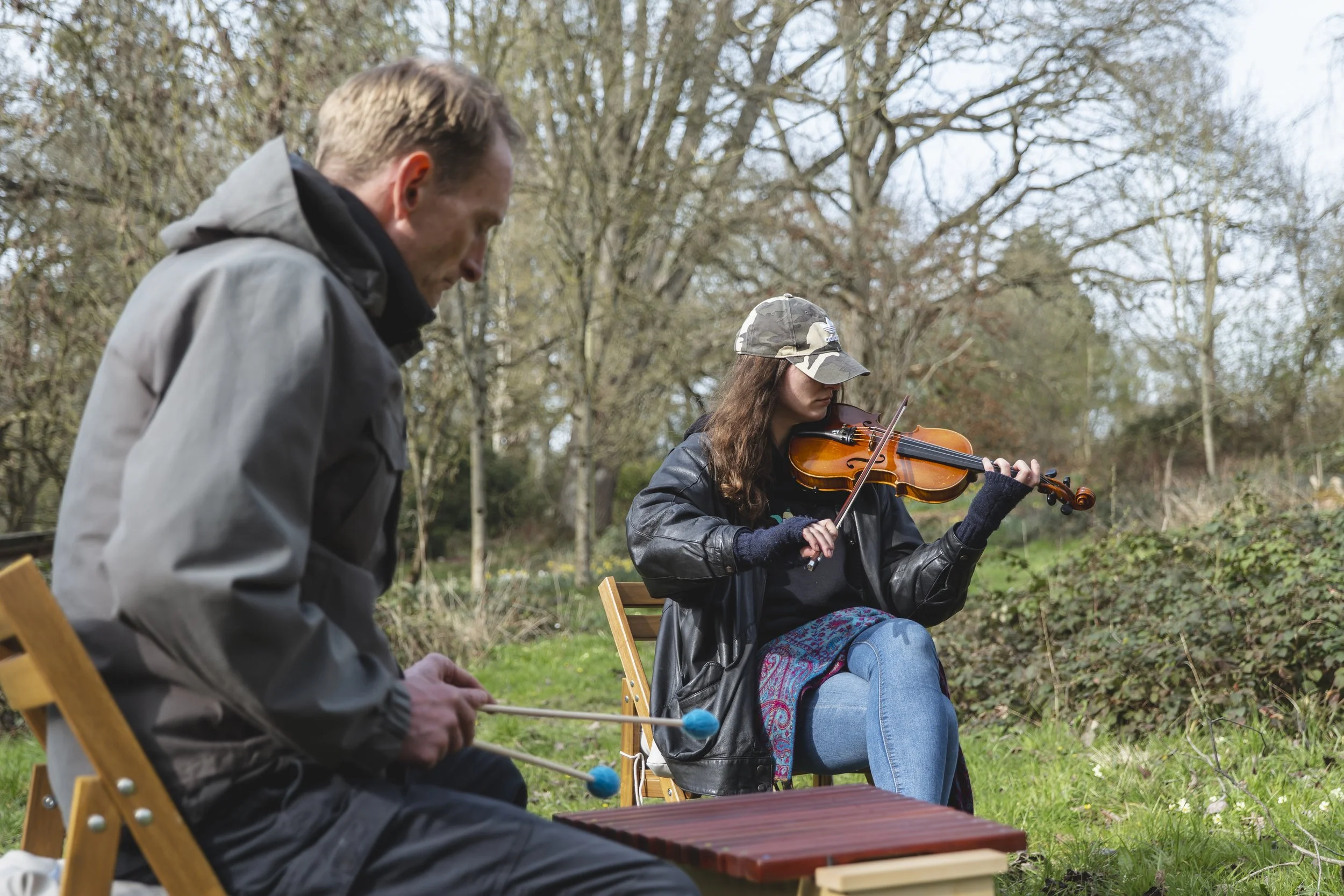
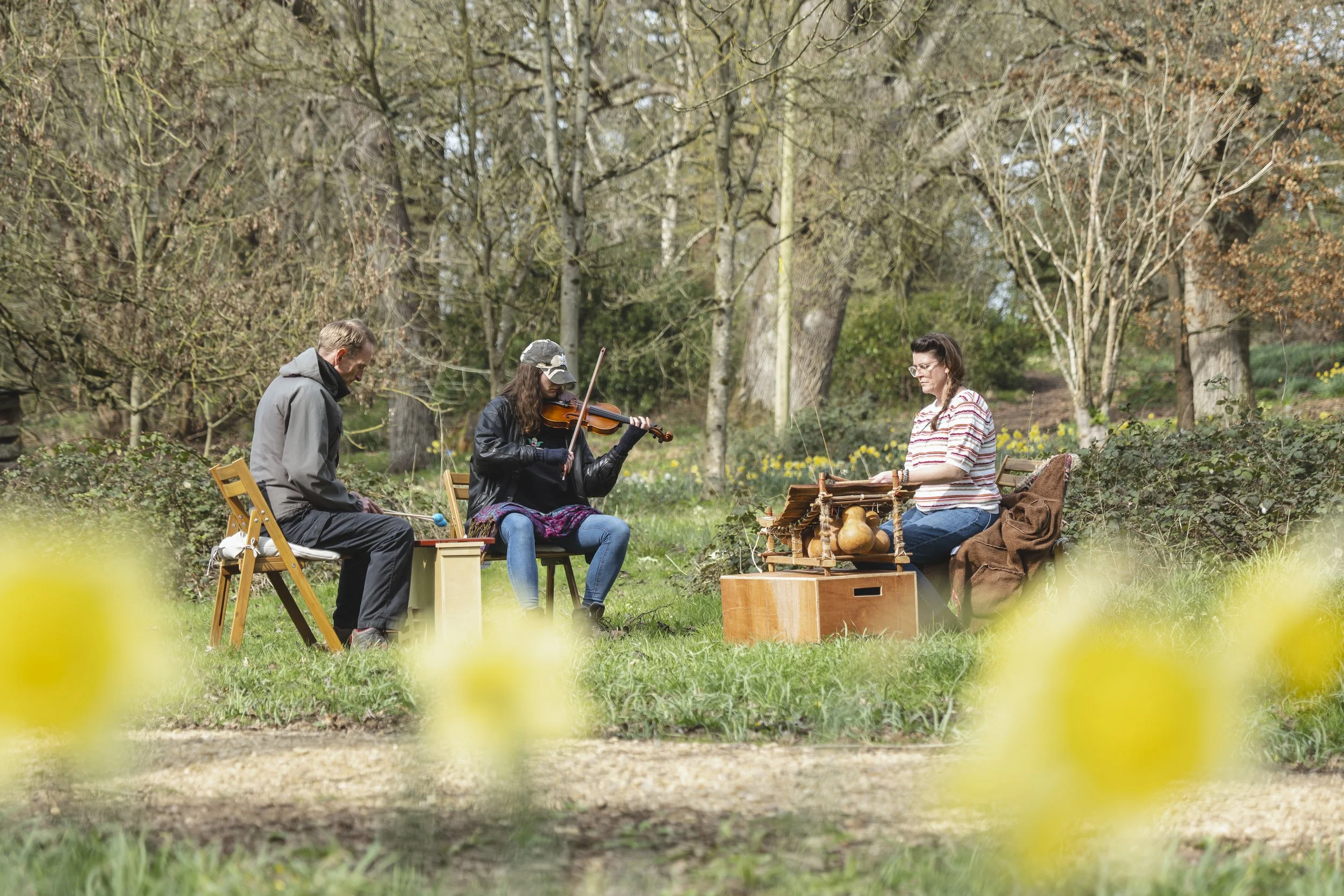
Play is a powerful way to explore and create. At Sound in the Woods, we use structured musical activities to encourage experimentation and collaboration. Participants can take creative risks safely, try new ideas, and respond in the moment. This approach supports confidence, group cohesion, and creative expression for everyone, regardless of experience.
Connection & collaboration
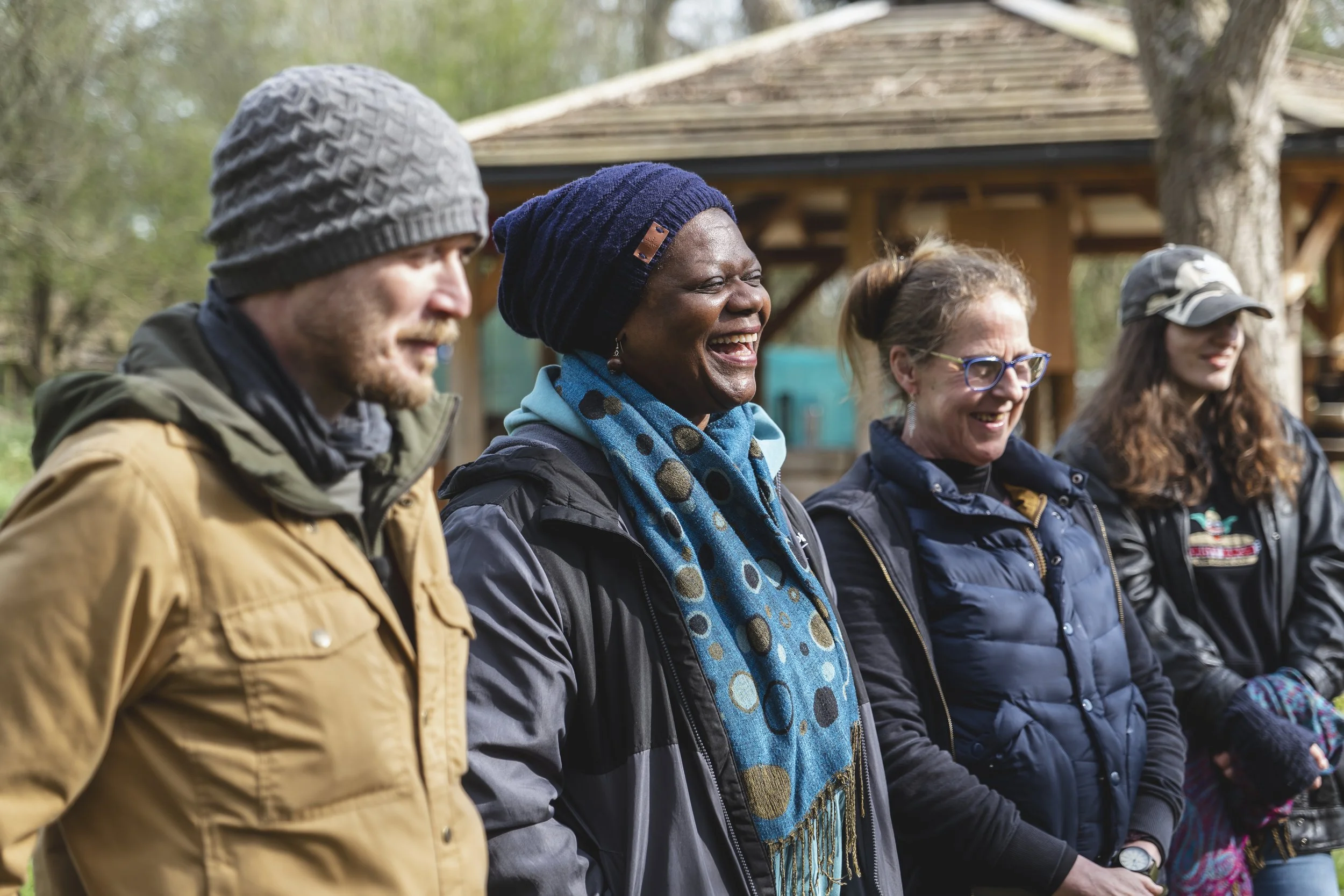
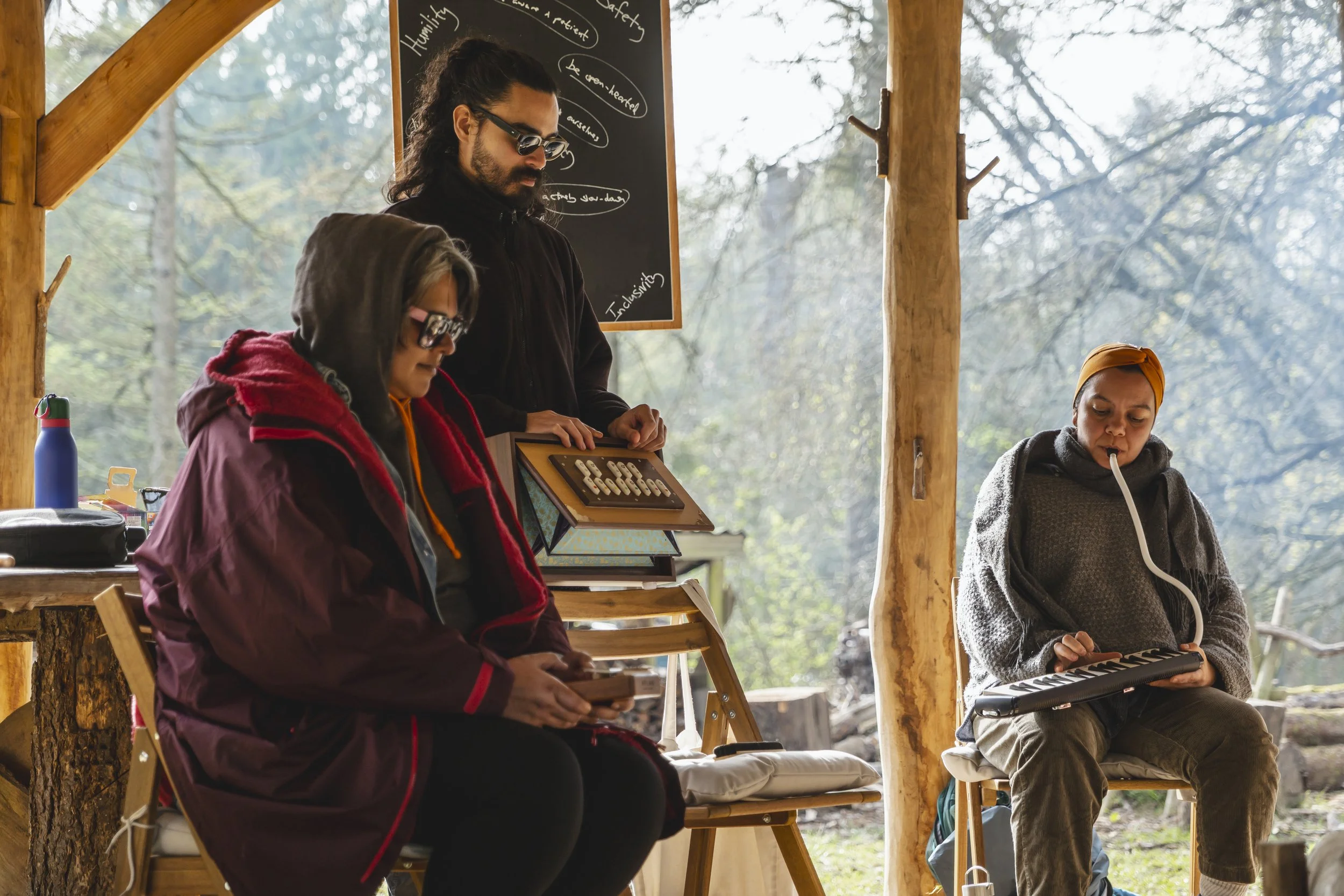
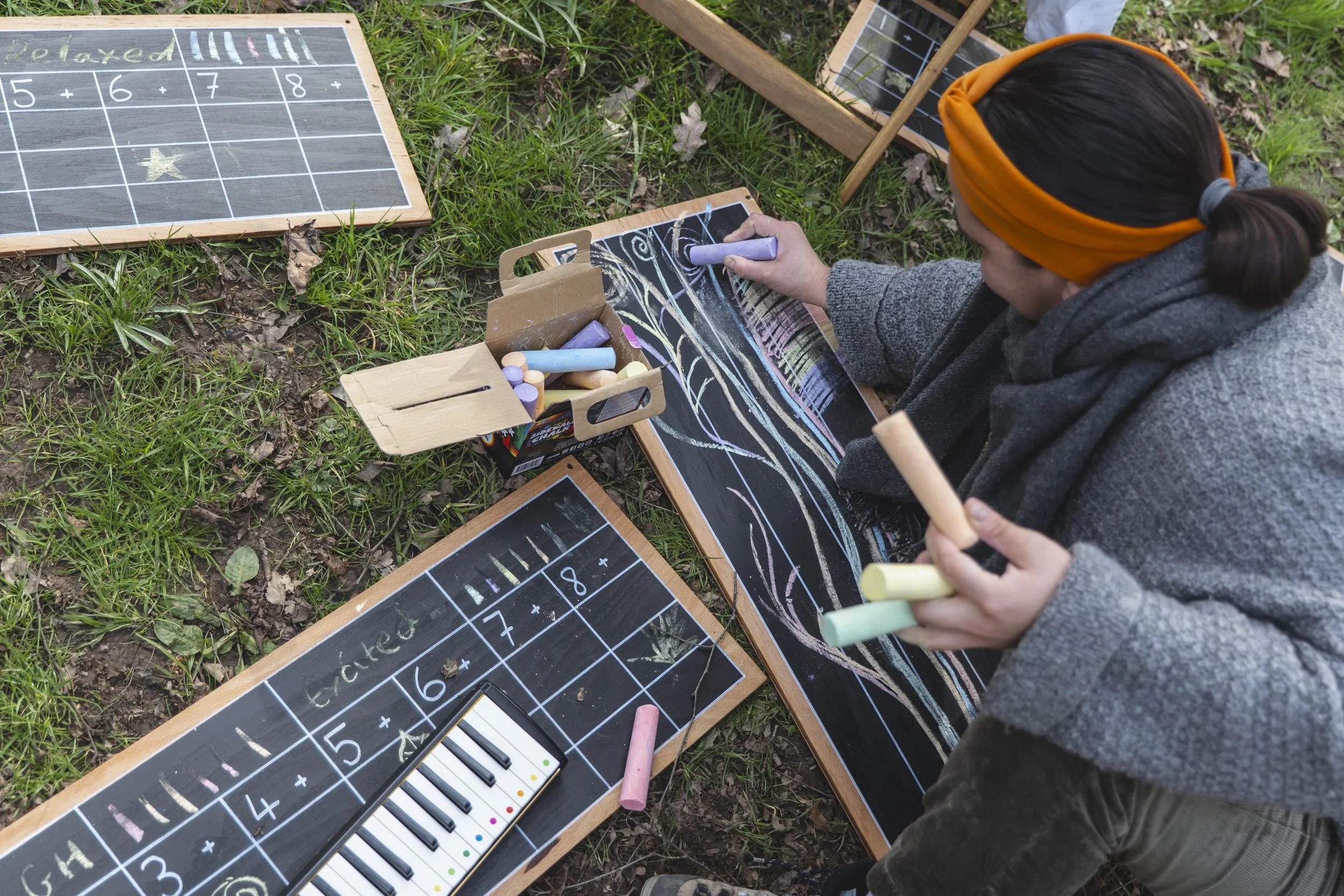
Rather than focusing on individual performance and ability, our approach treats the group itself as the instrument. Listening and responding to each other is just as important as the sounds we make ourselves. This collective focus fosters trust and connection, while ensuring that every participant’s contribution is valued.
Unplugged & outdoors
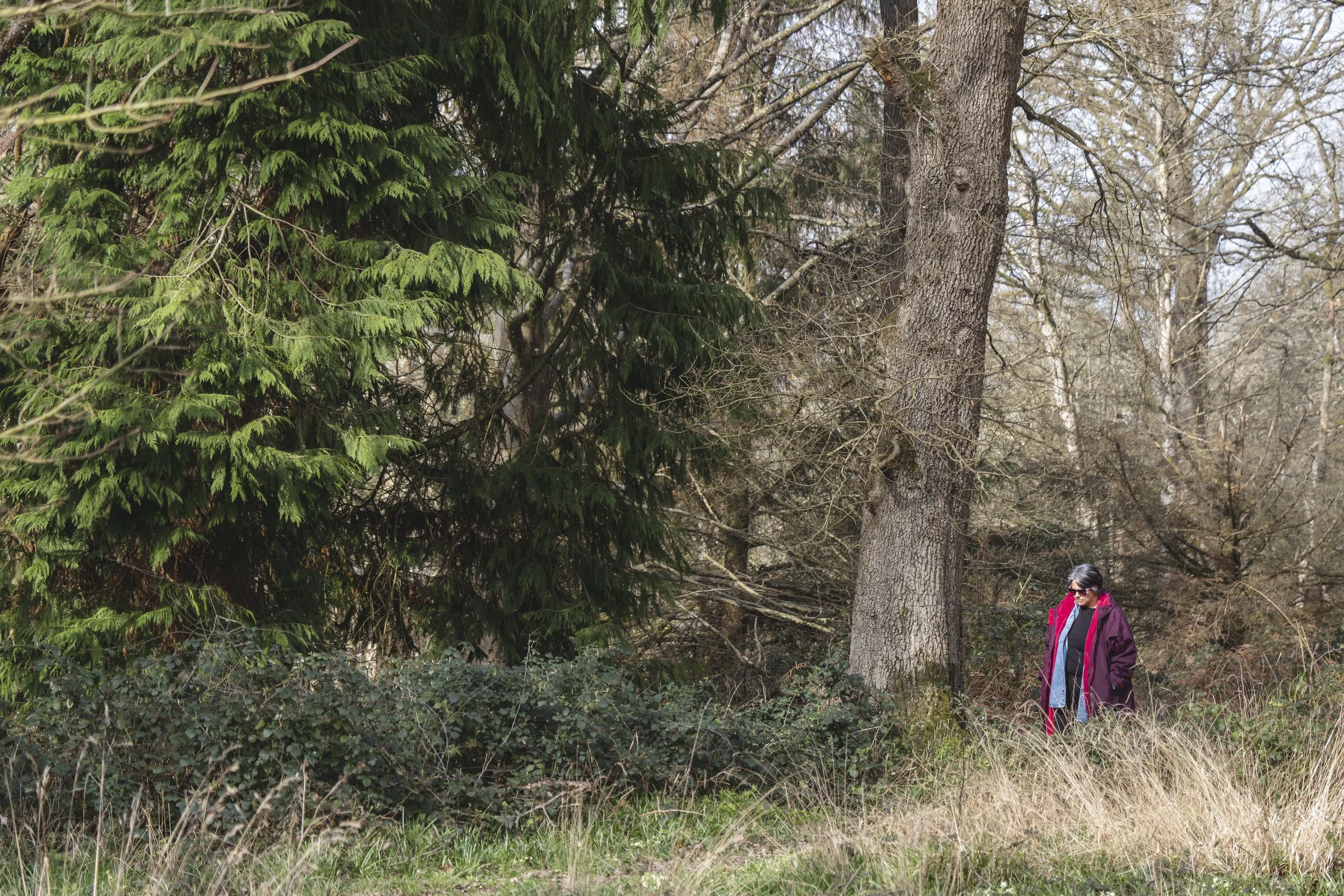
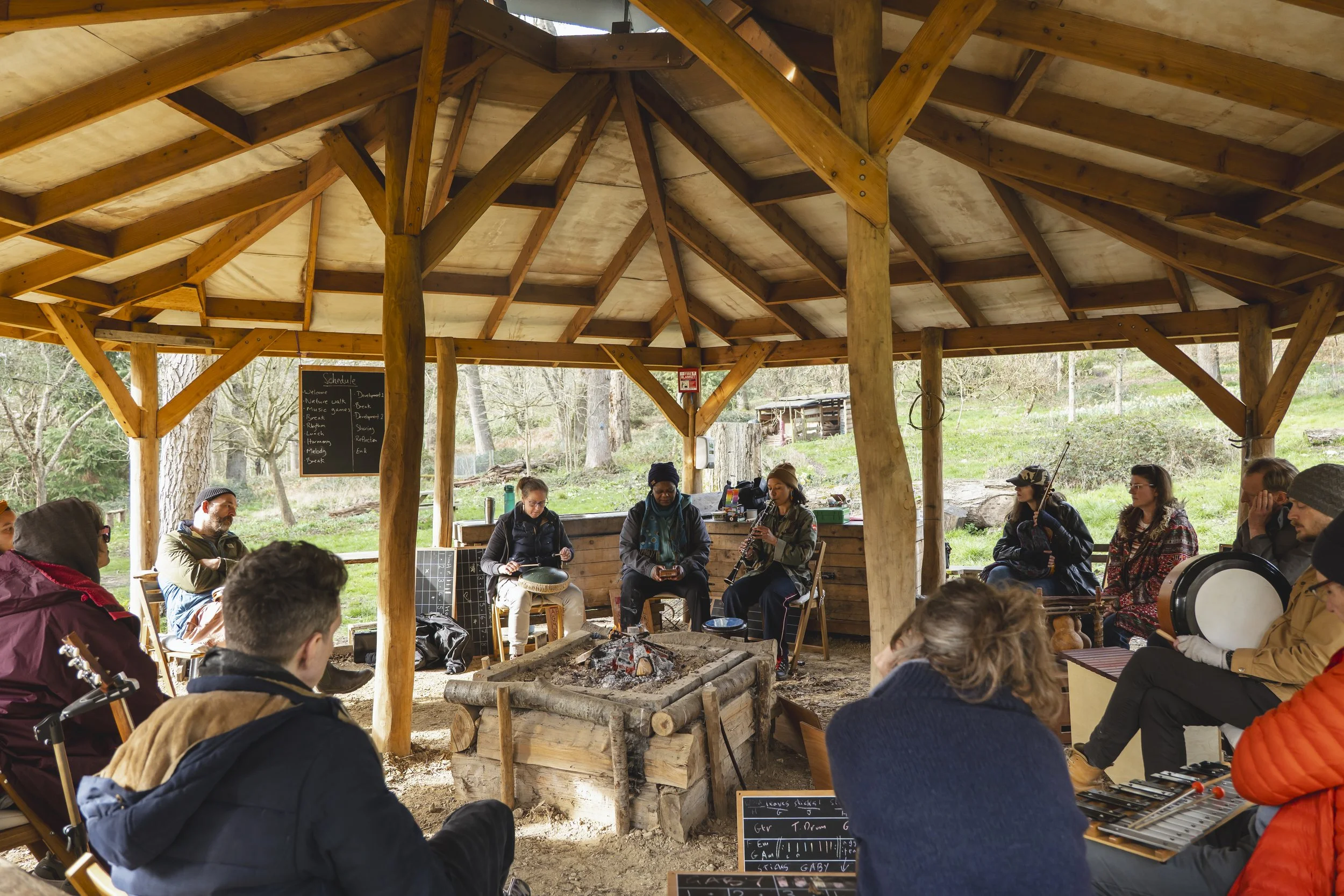
Time in nature enhances focus, calm, and sensory awareness. Engaging with the woodland environment supports creativity, curiosity, and wellbeing. The natural surroundings are an integral part of the experience, helping participants connect with themselves, the group, and the music.
Professional & experienced
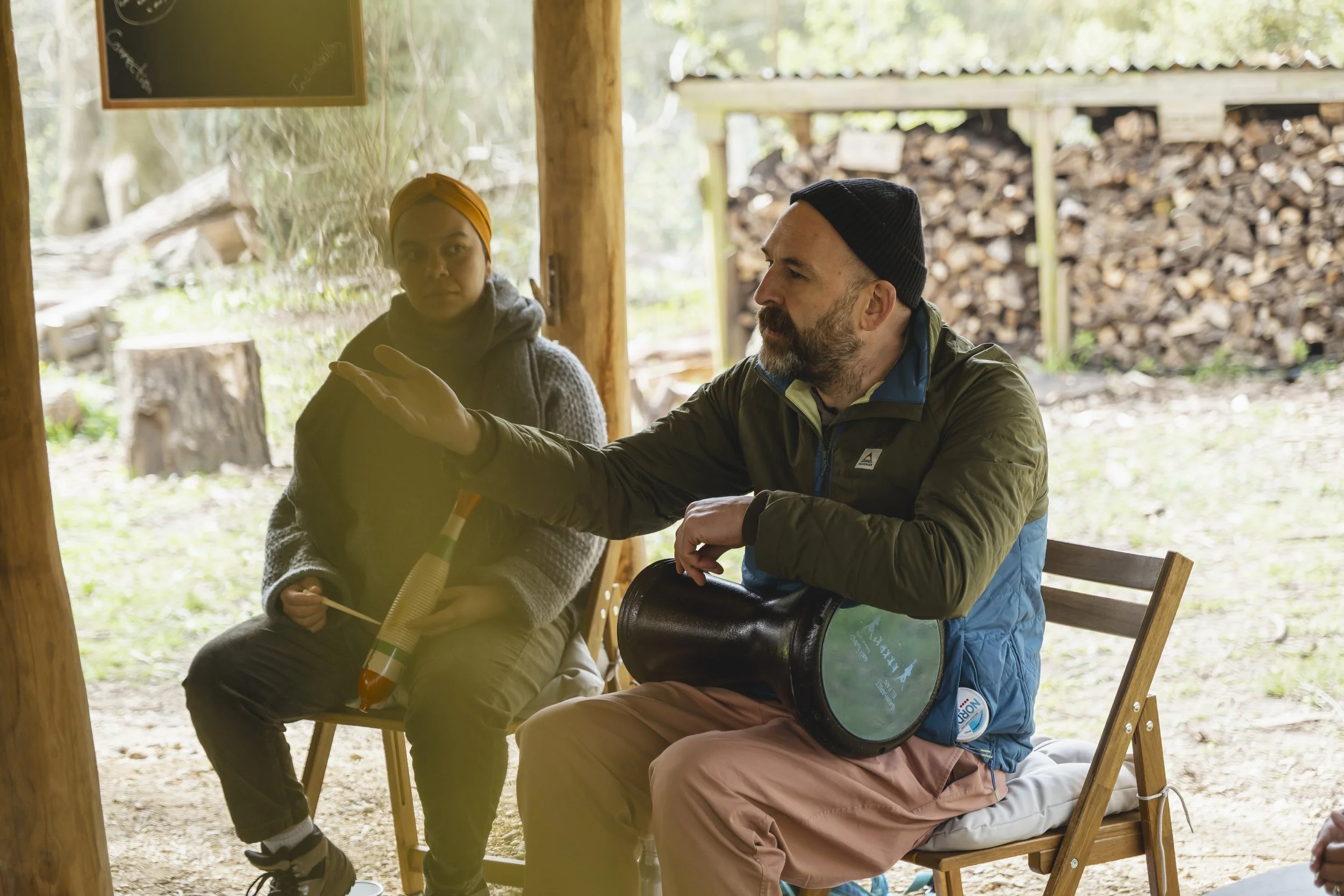
The sessions are led by a team of professional facilitators who draw on decades of experience of community music, composition, touring, music therapy, and coaching and mentoring. Their expertise ensures that every participant is supported, that sessions run smoothly, and that the creative process is enjoyable and accessible for all.
Impactful & enduring
What happens in Sound in the Woods doesn’t end when the session finishes. Participants leave with enhanced skills in listening, collaboration, creativity, and reflection. These experiences spill into everyday life, helping people feel more confident, connected, and creatively engaged long after the session ends.